The post When Transportation Providers Push Back: How To Strengthen Your Case for Freight Claims Recovery appeared first on nVision Global | Worldwide Supply Chain Solutions, Specializing in Global Freight Audit & Payment, Loss & Damage Claims, Supply Chain Services & Technology.
]]>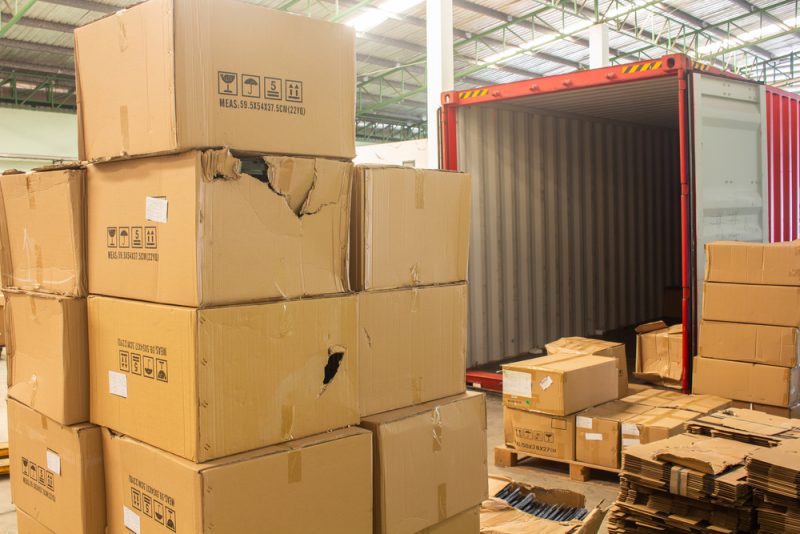
Your freight arrives damaged, you file a legitimate claim, and the transportation provider responds with a denial citing “insufficient documentation.” Sound familiar? Transportation provider pushback on valid claims has become increasingly common, costing companies thousands in unrecovered losses. The solution isn’t accepting these denials, it’s building bulletproof cases that transportation providers can’t reasonably dispute.
Why transportation providers push back on claims
Transportation providers have clear financial incentives to challenge claims whenever possible. Every denied claim protects their profit margins and keeps loss ratios in check. They know that many shippers will simply accept initial denials rather than fight back with proper documentation.
Common pushback tactics include requesting excessive documentation, questioning packaging adequacy, and disputing liability timing. Some transportation providers deliberately slow the process, hoping shippers will abandon smaller claims. Others test your knowledge of regulations and contract terms, looking for weaknesses in your case. It’s frustrating, but you have recourse.
6 ways to strengthen your claims recovery case
Strong documentation and proper procedures shift the burden of proof back to transportation providers. These strategies create cases that are difficult to dispute and expensive for transportation providers to challenge:
- Document everything from pickup to delivery: Comprehensive photo documentation eliminates most transportation provider disputes before they start. Take detailed pictures at every handoff point, focusing on the packaging condition and any visible damage. Document loading processes, securing methods, and handling procedures. For temperature-sensitive freight, maintain continuous temperature logs with timestamps. This visual evidence becomes your strongest weapon when transportation providers question damage timing or handling practices.
- Establish clear liability windows: When does transportation provider responsibility begin and end? Many claims fail because shippers can’t answer this question definitively. Document transfer of custody with precise timestamps and signatures. Understand how liability splits work in intermodal shipments between different transportation providers. Clear liability documentation removes ambiguity and strengthens your legal position when transportation providers try to shift blame.

- Build bulletproof packaging documentation: “Inadequate packaging” is transportation providers’ favorite denial reason — until you prove otherwise. Maintain detailed records of packaging specifications, testing results, and compliance certifications. Keep vendor certifications for all packaging materials and testing procedures. Having immediate access to prove that your methods exceeded carrier requirements and industry standards shuts down this common objection quickly.
- Create ironclad paper trails: Every email, phone call, and shipping document tells part of your claim story. Preserve all communications related to your shipments, including detailed freight descriptions, declared values, and special handling instructions. Document any deviations from standard procedures or unusual circumstances during shipment. Complete paper trails prevent transportation providers from claiming missing information or disputing shipment details after damage occurs.
- Respond quickly with complete information: Speed and completeness work in your favor when filing claims. Meet all transportation provider deadlines for documentation submission while providing comprehensive damage assessments, repair estimates, and replacement costs in your initial filing. Include all supporting documentation upfront rather than submitting piecemeal responses. This approach demonstrates professionalism and makes it harder for transportation providers to dismiss claims based on procedural issues.
- Know your rights and leverage them: The Carmack Amendment isn’t just regulatory text — it’s your roadmap to proper claim handling. Reference specific contract terms, liability limits, and regulatory obligations in your communications. Know escalation procedures within transportation provider organizations and use them when frontline staff provide inadequate responses. Educated shippers who understand their rights receive better treatment and faster resolutions than those who rely solely on transportation provider guidance.
These six approaches work together to create comprehensive protection for your freight claims. The result is higher recovery rates, faster payments, and reduced administrative burden on your team.
Strengthen your position
Claims recovery isn’t about fighting transportation providers, it’s about protecting your company’s financial interests through proper documentation and procedures. Companies that invest in strong claims processes recover significantly more money than those that rely on basic documentation.
Your freight claims represent real money that belongs to your bottom line. Don’t let inadequate preparation hand those dollars to carriers who are counting on your inability to build strong cases.
The post When Transportation Providers Push Back: How To Strengthen Your Case for Freight Claims Recovery appeared first on nVision Global | Worldwide Supply Chain Solutions, Specializing in Global Freight Audit & Payment, Loss & Damage Claims, Supply Chain Services & Technology.
]]>The post Compliance, Claims, and Risk Management Freight Claims 101: How to Stop Leaving Money on the Table appeared first on nVision Global | Worldwide Supply Chain Solutions, Specializing in Global Freight Audit & Payment, Loss & Damage Claims, Supply Chain Services & Technology.
]]>
Freight claims are often viewed as a tedious part of logistics management, yet ignoring or mishandling them can significantly impact your profitability. Proper claims management goes beyond administrative responsibility—it’s a critical component of effective risk management and compliance that directly protects your financial health.
Understanding Freight Claims
A freight claim arises when shipments are damaged, lost, or delivered with shortages. Failure to handle these claims properly means absorbing unnecessary costs and negatively impacting your bottom line.
Why Companies Leave Money on the Table
Businesses frequently overlook full recovery opportunities due to:
- Incomplete Documentation: Missing or inaccurate documentation can lead to claim denials.
- Delayed Filing: Claims not filed promptly within carrier-specific deadlines often get rejected.
- Lack of Follow-up: Without systematic tracking, companies may lose track of claims, leaving unresolved issues.
- Inadequate Knowledge: Companies may be unaware of their full rights and available recourse under transportation law.
Best Practices to Maximize Claim Recoveries
1. Accurate and Timely Documentation
Ensure complete and precise documentation of every shipment, including proof of condition, bill of lading, delivery receipts, and photographic evidence of damage.
2. Know Carrier Policies
Familiarize yourself with each carrier’s specific requirements, timelines, and conditions for filing claims. Adhering to these policies increases the likelihood of successful claim resolution.
3. Automated Claims Management Systems
Implement automated systems for claim tracking and management to streamline the claims process, reduce errors, and improve overall efficiency.
4. Regular Claim Status Reviews
Conduct periodic reviews of outstanding claims to ensure timely follow-ups, reduce overlooked cases, and expedite settlements.
5. Training and Education
Educate your logistics and administrative teams on proper claim handling procedures, relevant regulations, and compliance requirements. This ensures consistent adherence to best practices.
The Impact of Effective Freight Claims Management
Proper claims management provides significant benefits, including:
- Enhanced Financial Recovery: Maximizing claim reimbursements directly impacts your profitability.
- Improved Carrier Accountability: Consistent claims reporting encourages carriers to improve performance and reduce future issues.
- Reduced Operational Costs: Efficient handling minimizes administrative expenses and reduces financial losses.
- Better Compliance and Risk Management: Thorough documentation and compliance practices protect against potential legal and financial risks.
Stop Leaving Money Behind
By implementing robust claims management practices, your company can significantly reduce financial losses and strengthen compliance and risk management efforts. Embrace a strategic approach to freight claims to protect your bottom line and enhance operational efficiency.
Take action today to ensure your organization stops leaving money on the table.
The post Compliance, Claims, and Risk Management Freight Claims 101: How to Stop Leaving Money on the Table appeared first on nVision Global | Worldwide Supply Chain Solutions, Specializing in Global Freight Audit & Payment, Loss & Damage Claims, Supply Chain Services & Technology.
]]>The post Carrier Performance: Why Claims Reporting Matters for Your Bottom Line? appeared first on nVision Global | Worldwide Supply Chain Solutions, Specializing in Global Freight Audit & Payment, Loss & Damage Claims, Supply Chain Services & Technology.
]]>
In logistics, carrier performance can significantly impact your company’s profitability and customer satisfaction. Despite its importance, many businesses overlook the critical role that effective claims reporting plays in monitoring and improving carrier performance. Here’s why claims reporting matters and how it directly influences your financial health.
Understanding the Impact of Claims on Carrier Performance
Claims arising from lost, damaged, or delayed shipments are more than just operational inconveniences they represent real financial loss and potential damage to customer relationships. Consistent and detailed claims reporting is essential for evaluating and enhancing carrier reliability and service quality.
Why Claims Reporting is Critical?
1. Identifying Problematic Patterns
Regular claims reporting allows you to spot trends and recurring issues within specific lanes or with certain carriers. By pinpointing these patterns, you can proactively address performance problems before they escalate into costly, ongoing issues.
2. Strengthening Carrier Negotiations
Detailed claims data provides objective evidence when renegotiating carrier contracts or pursuing reimbursements. Concrete data strengthens your position and ensures you receive fair treatment, competitive pricing, and appropriate compensation.
3. Reducing Financial Losses
Prompt and accurate claims reporting ensures timely reimbursement for damages and losses, minimizing financial setbacks. Effective reporting practices help maintain your profit margins by quickly resolving claims and avoiding extended disputes.
4. Enhancing Customer Satisfaction
Efficient claims handling demonstrates to your customers that your business takes reliability and accountability seriously. Quick resolutions improve customer satisfaction, safeguard your reputation, and help secure repeat business.
Best Practices for Effective Claims Reporting
To maximize the benefits of claims reporting, consider implementing the following strategies:
- Standardize Reporting Procedures: Clearly define the claims reporting process, ensuring consistent documentation and timely submissions across your organization.
- Leverage Technology: Utilize automated claims management systems to streamline reporting, reduce manual errors, and improve visibility into claims status.
- Conduct Regular Reviews: Regularly analyze claims data to identify trends and take corrective action swiftly. This proactive approach helps mitigate future risks and enhances carrier accountability.
- Maintain Open Communication: Foster transparent communication with carriers regarding claims data and expectations, promoting collaborative efforts to improve service performance.
Direct Financial Benefits
Effective claims reporting directly supports your bottom line through:
- Fewer Losses and Better Cost Recovery: Efficient handling ensures quicker reimbursements and reduced losses.
- Improved Negotiating Power: Accurate data enables stronger negotiations for better terms and rates.
- Increased Operational Efficiency: Streamlined processes minimize administrative burden and reduce overhead costs.
Conclusion
Investing in robust claims reporting practices provides tangible financial and operational benefits. By actively managing carrier performance through detailed claims tracking, your organization can reduce losses, improve carrier reliability, and ultimately strengthen your bottom line.
Begin enhancing your carrier performance management through effective claims reporting today.
The post Carrier Performance: Why Claims Reporting Matters for Your Bottom Line? appeared first on nVision Global | Worldwide Supply Chain Solutions, Specializing in Global Freight Audit & Payment, Loss & Damage Claims, Supply Chain Services & Technology.
]]>The post Freight Claims 101: What Every Shipper Should Know About Protecting Their Bottom Line appeared first on nVision Global | Worldwide Supply Chain Solutions, Specializing in Global Freight Audit & Payment, Loss & Damage Claims, Supply Chain Services & Technology.
]]>
When shipments arrive damaged, delayed, or not at all, most shippers know they can file a freight claim. But few realize how complex, time-consuming, and costly the freight claims process can be, especially if it’s handled manually or without proper visibility.
And in today’s volatile supply chain, fedex freight claims aren’t just a minor inconvenience. They’re a serious threat to your bottom line.
This guide will walk you through the fundamentals of freight claims and show how businesses are saving time, money, and stress by automating and outsourcing the process.
What is a Freight Claim?
A freight claim is a legal demand made by a shipper or consignee to a carrier for financial reimbursement due to
- Loss – shipment never arrives
- Damage – product arrives broken or unusable
- Shortage – partial shipment received
- Delay – delivery exceeds contractual timeframes
Carriers are legally responsible for freight in their care, but filing a claim and recovering costs is far from straightforward.
How Does a Freight Claim Work?
To file a claim:
- Inspect the shipment upon delivery and note any visible damage or shortages on the delivery receipt.
- Gather documentation, including the bill of lading, freight bill, photos, and proof of value.
- Submit the claim to the carrier within the required time frame (usually within 9 months for damage/loss).
- Cooperate with the carrier’s investigation, which may involve inspections or additional documents.
- Follow up until the carrier resolves the claim, typically within 120 days.
How to Check Fedex Freight Claim Status?
To check the status of your FedEx Freight claim, follow these steps:
- Log In to Your FedEx Freight Account: Visit the FedEx Freight Claims page and log in using your credentials.
- Navigate to the ‘Reports’ Tab: Once logged in, go to the ‘Reports’ tab to view the status of your claim.
- Use Your Claim Number: If you don’t have an account or prefer not to log in, you can check the status by contacting FedEx Freight Customer Care at 1-866-393-4585.
- Email for Assistance: Alternatively, you can email file.claim@fedex.com for updates on your claim.
Who Files a Freight Claim?
A freight claim can be filed by any of the following parties, depending on the terms of the shipment and who has a financial interest in the goods:
- Consignee (Receiver): Often files the claim if the shipment arrives damaged, short, or late.
- Shipper (Sender): May file if the goods are lost or damaged before reaching the consignee.
- Third-Party Logistics Provider (3PL): Can file on behalf of the shipper or consignee if authorized.
- Freight Broker: May assist in filing but typically doesn’t have legal standing unless contracted to do so.
- Owner of the Goods: If different from the shipper or consignee, the actual owner may file if they hold title and risk during transit.
The key is that the claimant must have title to the goods or have suffered a financial loss due to the freight issue.
Why Managing Claims Internally is Risky?
Many companies attempt to manage claims with internal teams, spreadsheets, or outdated systems. This often leads to
- Missed deadlines most claims have a strict filing window.
- Incomplete documentation, leading to denied claims.
- No visibility into claim status or performance metrics.
- Time drain on already overburdened logistics teams.
- Unrecovered costs that quietly chip away at profits.
The result? Revenue loss, strained customer relationships, and internal frustration – all from a process that should be working in your favor.
Four Steps to Filing a Freight Claim
Here are four key steps to filing a fedex freight claim:
1. Inspect and Document the Issue
- Note any damage, shortage, or loss on the delivery receipt at the time of delivery.
- Take clear photos and gather supporting evidence (e.g., packaging, labels, damaged items).
2. Collect Required Documentation
- Gather the bill of lading, freight bill, invoice (proof of value), photos, and any inspection reports.
3. Submit the Freight Claim
- Complete a claim form or write a formal claim letter including shipment details, nature of the loss, and amount claimed.
- Send the claim to the carrier within the required deadline (typically 9 months in the U.S.).
4. Follow Up and Monitor the Claim
- Track the claim status with the carrier, respond to any requests for additional information, and retain all communication.
- Carriers generally must acknowledge claims within 30 days and resolve them within 120 days.
What if my Freight Claim is Denied?
If your freight claim is denied, start by reviewing the carrier’s explanation to understand the reason for the rejection – common causes include insufficient documentation, late reporting, or improper packaging. Gather any missing or stronger supporting evidence, such as additional photos, inspection reports, or proof of value, and file an appeal directly with the carrier.
If the appeal is unsuccessful, you may consider involving a third-party claims specialist, filing a complaint with a regulatory agency, or pursuing legal action if the claim amount warrants it. Persistence and proper documentation can often lead to a better outcome.
Best Practices for Effective Freight Claims Management
Inspect shipments on delivery and note any damage or shortage on the delivery receipt.
- Take clear photos of damaged goods and packaging as evidence.
- Collect all required documents: bill of lading, invoice, freight bill, and inspection reports.
- File claims promptly – ideally within days and always within the carrier’s deadline.
- Assign a dedicated team or person to handle claims consistently and accurately.
- Maintain regular communication with carriers to track claim status and provide follow-up info.
- Analyze denied claims to identify preventable issues (e.g., poor packaging or labeling).
- Train staff regularly on claims procedures and carrier requirements.
The Role of Technology in Streamlining Freight Claims
Document Management: Digital platforms store bills of lading, invoices, photos, and correspondence in one centralized location for easy access and compliance.
- Real-Time Tracking & Alerts: Shipment tracking systems provide real-time updates, helping detect issues early and initiate claims sooner.
- Analytics & Reporting: Claims platforms can analyze trends, such as frequent damage by certain carriers or at specific locations, supporting smarter decisions.
- Integration with TMS: Claims tools that integrate with Transportation Management Systems (TMS) streamline data sharing and reduce re-entry of shipment details.
The Benefits of an Outsourced Claims Process
By partnering with a claims management expert, you can:
- Save hundreds of hours per year in manual labor.
- Avoid denied claims due to missing or late paperwork.
- Resolve claims faster and recover more lost revenue.
- Identify systemic issues in packaging, routing, or carrier performance.
- Refocus internal teams on higher-value work.
Freight Claims Aren’t Optional – But Headaches Are
Freight claims will always be part of logistics. But the time, stress, and financial loss associated with them don’t have to be.
Whether you’re filing one claim a month or hundreds per year, having the right process in place – supported by experienced professionals and real-time data – is the difference between protecting your bottom line and watching profits leak out one shipment at a time.
Want to take control of your freight claims process?
Let nVision Global handle the complexity so you can focus on moving your business forward.
Contact us today for a free claims process evaluation.
The post Freight Claims 101: What Every Shipper Should Know About Protecting Their Bottom Line appeared first on nVision Global | Worldwide Supply Chain Solutions, Specializing in Global Freight Audit & Payment, Loss & Damage Claims, Supply Chain Services & Technology.
]]>The post Avoiding Common Freight Claim Issues: Strategies for Faster Settlements appeared first on nVision Global | Worldwide Supply Chain Solutions, Specializing in Global Freight Audit & Payment, Loss & Damage Claims, Supply Chain Services & Technology.
]]>
Freight claims are an unavoidable aspect of logistics, but inefficient claims management can result in prolonged settlements, financial losses, and strained carrier relationships. Cargo damage, shipment shortages, and misclassified freight are common triggers for claims, yet many companies lack the structured processes to resolve disputes efficiently. Without the right approach, businesses risk paying out of pocket for carrier mistakes or seeing their claims denied due to insufficient documentation.
To avoid these pitfalls and accelerate claims resolution, logistics teams must take a proactive stance on claims management — starting from the moment a shipment is prepared to the final settlement negotiation.
Root causes of freight claims
The most common types of freight claims — damage, loss, and delay — often stem from preventable factors. Poor packaging, improper load securement, and inaccurate shipment classification can all contribute to claim-worthy incidents. Yet these issues frequently go undetected until a dispute arises, leaving shippers scrambling to assemble evidence and justify their claim.
For example, if a shipment arrives with visible damage, but the consignee fails to note this upon delivery, the carrier can deny responsibility, arguing that damage occurred post-delivery. Likewise, if a shipment is classified incorrectly on the bill of lading (BOL), the carrier may argue that the freight was misrepresented, nullifying liability for delays or damages.
By addressing the root causes of claims through improved shipment handling, documentation, and compliance verification, businesses can significantly reduce the likelihood of prolonged disputes.

Precise documentation: Your best defense against claim denials
Incomplete or inaccurate documentation is one of the primary reasons claims are denied. A well-documented claim starts long before an issue arises. It begins with meticulous shipment records, photographic evidence, and accurate BOL entries.
For damage claims, photographic documentation at every stage of the shipment lifecycle is critical. Pre-shipment images, photos of packaging integrity, and delivery condition records provide clear evidence when a claim is filed. If a shipment is improperly handled, this visual documentation creates an indisputable timeline of events.
Similarly, having a detailed and accurate BOL ensures all parties are aligned on shipment details. Incorrect freight classification, omitted notations, or missing signatures can lead to claim denials, as carriers will scrutinize any inconsistencies to limit their liability. Freight audit and compliance tools like nVision Global’s Impact TMS can automate BOL validation, lessening human errors that could impact claim eligibility.
Leveraging technology to expedite claim resolutions
Traditional claims processes often involve back-and-forth communication, manual data retrieval, and extended review cycles — causing delays that impact cash flow. Automating claims management through freight audit systems and integrated transportation management platforms eliminates these inefficiencies.
Claims management software allows shippers to file claims immediately upon delivery discrepancies, decreasing processing time. Analytics powered by artificial intelligence can also flag anomalies, identifying trends in claim patterns that indicate chronic carrier performance issues. With data-driven insights, companies can address recurring risks and negotiate better terms with underperforming carriers.
Additionally, automated claims tracking gives logistics teams real-time visibility into settlement progress, minimizing delays caused by missing documents or status uncertainties.
Mitigating risks before claims occur
Preventing claims is always more cost-effective than managing them. Optimizing packaging, enforcing proper load securement, and conducting regular carrier performance audits are essential to reducing freight claims.
Shippers should work closely with carriers to establish clear handling requirements. For fragile, high-value, or temperature-sensitive freight, specifying handling protocols in service-level agreements (SLAs) ensures carriers understand liability expectations before issues arise.
Regular audits of freight handling data can identify recurring weak points, such as a particular lane experiencing frequent damages or a carrier with a high rate of missing shipments. These insights empower logistics managers to adjust routing decisions, renegotiate contracts, or implement additional shipment protections where needed.

Faster settlements start with smarter claims management
Freight claims don’t have to be a logistical bottleneck. By improving documentation, leveraging automation, and addressing root causes before disputes arise, businesses can shorten settlement timelines and recover costs more efficiently.
Companies that treat claims management as a strategic function — rather than a reactive necessity — will see lower claims rates, fewer denials, and stronger carrier partnerships.
The post Avoiding Common Freight Claim Issues: Strategies for Faster Settlements appeared first on nVision Global | Worldwide Supply Chain Solutions, Specializing in Global Freight Audit & Payment, Loss & Damage Claims, Supply Chain Services & Technology.
]]>The post Freight Claims Simplified: Protecting Profitability in Perishable Goods Logistics appeared first on nVision Global | Worldwide Supply Chain Solutions, Specializing in Global Freight Audit & Payment, Loss & Damage Claims, Supply Chain Services & Technology.
]]>
In the logistics world of perishable goods, where time and temperature are critical, freight claims are an inevitable part of doing business. Whether it’s a shipment delayed beyond its shelf life or produce that arrived damaged due to inadequate temperature control, freight claims directly impact profitability.
For companies in this industry, effectively managing freight claims is not just about recouping losses; it’s about safeguarding their bottom line, maintaining customer trust, and streamlining operations. In this blog, we’ll explore how simplifying freight claims processes can help businesses in perishable goods logistics protect their profitability.
The Unique Challenges of Freight Claims in Perishable Goods Logistics
Managing freight claims in the perishable goods sector comes with specific challenges:
1. Time Sensitivity
Perishable goods often have a short shelf life. Delays in transit can lead to spoilage, making timely resolution of freight claims essential.
2. Temperature Control Requirements
Temperature fluctuations during transit can compromise product quality. Disputing such claims requires precise data, such as temperature logs and handling records.
3. Complex Documentation
Filing freight claims for perishable goods involves extensive documentation, including proof of delivery, temperature records, and photographs of damaged goods.
4. Higher Financial Stakes
The cost of perishable goods often includes production, transportation, and storage. Losses can quickly escalate, particularly when dealing with bulk shipments or high-value items like seafood or specialty produce.
Best Practices for Simplifying Freight Claims in Perishable Goods Logistics
1. Leverage Technology for Claims Management
Using technology to automate and streamline freight claims processes can save time and reduce errors. Key tools include:
- Freight Claims Software: Automates claim filing, tracking, and resolution.
- Transportation Management Systems (TMS): Integrates claims management into broader logistics operations, providing real-time visibility into shipment conditions.
- IoT Sensors: Capture real-time temperature, humidity, and location data, offering concrete evidence in claims disputes.
These technologies ensure that claims are filed accurately and resolved quickly, minimizing disruptions to your operations.
2. Maintain Accurate and Complete Documentation
Incomplete or inaccurate documentation is a common reason for claims denial. Best practices include:
- Proof of Delivery: Ensure all delivery receipts are signed and include any noted damage.
- Temperature Logs: Maintain detailed records of temperature readings throughout transit.
- Photographic Evidence: Capture clear images of damaged goods as soon as issues are identified.
- Carrier Contracts: Keep copies of carrier agreements and terms of liability for reference.
Standardizing documentation across shipments minimizes disputes and improves claim success rates.
3. Build Strong Carrier Relationships
Partnering with reliable carriers can reduce the frequency and severity of freight claims. To foster strong relationships:
- Choose carriers with a proven track record in handling perishable goods.
- Regularly review carrier performance, including on-time delivery rates and claims resolution efficiency.
- Communicate expectations regarding temperature control, handling, and documentation requirements.
Collaborative relationships with carriers create a foundation of trust, making it easier to resolve claims amicably.
4. Adopt Proactive Risk Management
Preventing claims is always more cost-effective than managing them. Proactive strategies include:
- Pre-Shipment Inspections: Ensure goods are properly packaged and labeled before transit.
- Real-Time Monitoring: Use GPS and IoT sensors to track shipment conditions and address issues promptly.
- Insurance Coverage: Secure comprehensive cargo insurance for high-value or particularly vulnerable shipments.
Mitigating risks reduces the likelihood of freight claims while protecting product quality.
5. Partner with Freight Claims Specialists
Outsourcing freight claims management to a specialist can free up internal resources and improve recovery rates. A claims specialist can:
- Handle all aspects of the claims process, from filing to resolution.
- Provide expert guidance on claims compliance and documentation.
- Offer analytics on claims trends to help prevent future issues.
Freight claims specialists ensure claims are managed efficiently, minimizing financial losses and administrative burdens.
How Freight Claims Impact Profitability
Unresolved or mismanaged freight claims can lead to significant financial losses for companies in perishable goods logistics. These losses include:
- Revenue Losses: Spoiled or damaged goods directly impact sales.
- Operational Costs: Time spent managing claims detracts from other priorities.
- Client Relationships: Failure to resolve claims promptly can erode trust and damage long-term partnerships.
Simplifying freight claims processes not only minimizes these losses but also creates opportunities for cost savings and efficiency improvements.
The nVision Global Advantage in Freight Claims Management
At nVision Global, we understand the challenges of managing freight claims in perishable goods logistics. Our solutions are designed to simplify the process, reduce disputes, and enhance profitability. Key features of our freight claims services include:
- Automated Claims Filing and Tracking: Streamline every step of the claims process for faster resolutions.
- Advanced Analytics Tools: Identify trends in claims data to address root causes and prevent recurring issues.
- Real-Time Visibility: Track shipment conditions and performance metrics in real time.
- Comprehensive Reporting: Access detailed insights into claims trends, costs, and resolutions.
By partnering with nVision Global, businesses can focus on their core operations while we handle the complexities of freight claims management.
Conclusion: Simplifying Freight Claims to Protect Your Bottom Line
Freight claims are an unavoidable part of perishable goods logistics, but they don’t have to be a drain on your profitability. By leveraging technology, maintaining robust documentation, and adopting proactive strategies, businesses can streamline claims processes and minimize financial impacts.
Ready to simplify your freight claims process? Contact nVision Global today to learn how our solutions can help you protect profitability and maintain operational excellence in perishable goods logistics.
The post Freight Claims Simplified: Protecting Profitability in Perishable Goods Logistics appeared first on nVision Global | Worldwide Supply Chain Solutions, Specializing in Global Freight Audit & Payment, Loss & Damage Claims, Supply Chain Services & Technology.
]]>The post Freight Claims Process Simplified: Reducing Disputes in High-Tech Manufacturing Logistics appeared first on nVision Global | Worldwide Supply Chain Solutions, Specializing in Global Freight Audit & Payment, Loss & Damage Claims, Supply Chain Services & Technology.
]]>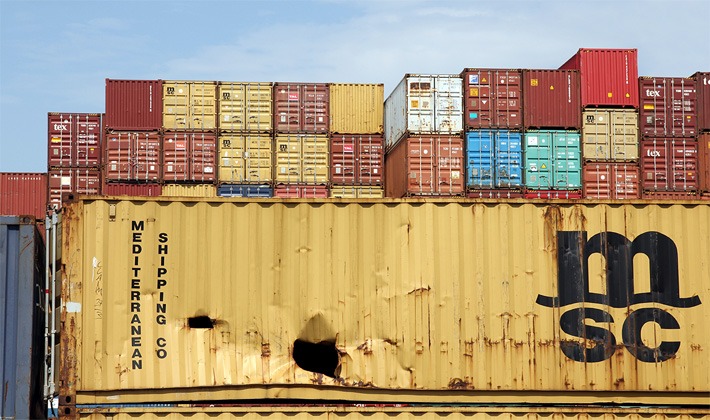
In the high-tech manufacturing industry, where precision and speed are critical, supply chain disruptions can have far-reaching consequences. Damaged components, delayed shipments, or missing deliveries not only impact production schedules but can also erode customer trust and lead to significant financial losses.
Freight claims processes are a key part of mitigating these risks, but managing them efficiently is often a challenge. High-tech supply chains are complex, involving multiple carriers, international shipments, and sensitive equipment, making the claims process time-consuming and prone to disputes. Simplifying freight claims is essential for high-tech manufacturers looking to reduce disputes and protect their bottom line.
In this blog, we’ll explore how high-tech manufacturers can streamline freight claims management, reduce disputes, and enhance their logistics operations.
Challenges of Freight Claims Process in High-Tech Manufacturing
The Fedex freight claims process in high-tech manufacturing logistics presents unique challenges due to the nature of the goods being shipped and the complexity of the supply chain. Key issues include:
- Fragile and High-Value Shipments: Sensitive components such as semiconductors, circuit boards, and robotics require specialized handling, increasing the risk of damage.
- International Shipments: Cross-border trade involves varying regulations, documentation, and carrier policies, complicating the claims process.
- Tight Deadlines: High-tech manufacturers operate on strict schedules, leaving little room for delays caused by claims disputes.
- Multiple Carriers: Managing claims across different carriers with varying policies and processes can lead to inefficiencies.
Understanding these challenges is the first step toward implementing a simplified and effective freight claims process.
Best Practices for Simplifying FedEx Freight Claims
1. Leverage Technology for Claims Management
Manually managing freight claims is not only inefficient but also increases the likelihood of errors and missed deadlines. Implementing advanced technology can streamline the process and ensure accuracy.
Key Technologies:
- Freight Claims Software: Automates the submission, tracking, and resolution of claims, reducing administrative burden.
- Transportation Management Systems (TMS): Integrates claims management into a centralized platform for better visibility and control.
- Data Analytics Tools: Provides insights into recurring issues, helping to identify trends and prevent future claims.
With automation, manufacturers can significantly reduce the time and resources required to resolve claims.
2. Standardize Documentation and Processes
Incomplete or inconsistent documentation is a common cause of freight claims disputes. High-tech manufacturers can simplify claims management by standardizing their processes and ensuring all required documents are readily available.
Best Practices:
- Maintain accurate records of shipping contracts, bills of lading, and proof-of-delivery documents.
- Use standardized forms and checklists for filing claims to ensure all necessary details are included.
- Train employees and logistics partners on proper documentation procedures.
- A consistent approach to documentation minimizes disputes and accelerates claim resolution.
3. Build Strong Relationships with Carriers
Effective communication and collaboration with carriers can go a long way in reducing disputes and ensuring smooth claims management.
Tips for Strong Carrier Relationships
- Partner with carriers that have a proven track record of handling high-tech shipments.
- Establish clear expectations regarding claims processes and timelines.
- Regularly review carrier performance metrics, such as damage rates and on-time delivery rates.
- A strong relationship with carriers fosters transparency and makes it easier to resolve claims amicably.
4. Implement Proactive Risk Management
Preventing freight claims is always better than managing them after the fact. High-tech manufacturers can adopt proactive measures to reduce the likelihood of claims.
Freight Claim Process: Preventative Strategies
- Use robust packaging solutions designed to protect fragile components during transit.
- Partner with carriers that specialize in high-tech logistics and offer white-glove services.
- Monitor shipments in real time to address issues like temperature fluctuations or route deviations before they escalate.
- Proactive risk management not only reduces claims but also improves overall supply chain efficiency.
5. Partner with a Freight Claims Specialist
Managing freight claims in-house can be overwhelming, especially for high-tech manufacturers with complex supply chains. Partnering with a freight claims specialist like nVision Global provides:
- Expertise: Specialists handle the entire claims process, ensuring accuracy and compliance.
- Efficiency: Faster claims resolution reduces downtime and financial losses.
- Insights: Detailed analytics help identify root causes and prevent future issues.
Outsourcing freight claims management allows high-tech manufacturers to focus on their core operations while minimizing disruptions.
The nVision Global Advantage in Freight Claims Management
At nVision Global, we understand the unique challenges of managing freight claims in high-tech manufacturing logistics. Our freight audit and claims management solutions are designed to simplify the process, reduce disputes, and deliver measurable results.
Our Solutions Include:
- Automated claims filing and tracking for increased efficiency.
- Advanced analytics to identify trends and optimize carrier performance.
- Comprehensive reporting tools for improved visibility and decision-making.
- With nVision Global as your logistics partner, you can streamline freight claims management and ensure your supply chain operates at peak efficiency.
Conclusion: Simplifying Freight Claims for a Competitive Edge
In the high-tech manufacturing industry, where precision and speed are critical, simplifying freight claims is essential to reducing disputes and maintaining operational efficiency. By leveraging technology, standardizing processes, and partnering with experts, high-tech manufacturers can overcome challenges and build a resilient supply chain.
Contact nVision Global today to learn how our freight claims solutions can help your business reduce disputes and drive success in high-tech manufacturing logistics.
The post Freight Claims Process Simplified: Reducing Disputes in High-Tech Manufacturing Logistics appeared first on nVision Global | Worldwide Supply Chain Solutions, Specializing in Global Freight Audit & Payment, Loss & Damage Claims, Supply Chain Services & Technology.
]]>The post Managing Freight Claims in Supply Chains: Best Practices for Electronics Companies appeared first on nVision Global | Worldwide Supply Chain Solutions, Specializing in Global Freight Audit & Payment, Loss & Damage Claims, Supply Chain Services & Technology.
]]>
In the fast-paced world of electronics manufacturing, supply chain disruptions can significantly impact production schedules, customer satisfaction, and the bottom line. One of the most common and often overlooked challenges in this industry is managing freight claims. From damaged components to delayed shipments, effectively handling freight claims is essential to maintaining efficiency and protecting profitability in high-tech supply chains.
Here, we’ll explore best practices for electronics companies to streamline their freight claims process and mitigate risks in their supply chains.
Managing Freight Claims in Supply Chains
1. Understand the Unique Challenges of Electronics Freight Claims
High-tech supply chains often deal with fragile, high-value goods that require specialized handling and transportation. This creates unique challenges, such as:
- Damage During Transit: Fragile components, such as semiconductors or circuit boards, are susceptible to damage if not handled or packaged correctly.
- Loss or Theft: High-value shipments are often targeted for theft, leading to financial and operational setbacks.
- Time-Sensitive Deliveries: Late deliveries can delay production schedules and affect time-to-market for new products.
Understanding these challenges is the first step toward developing a freight claims strategy tailored to the electronics industry.
2. Implement a Proactive Freight Claims Policy
Proactively managing freight claims starts with a well-documented policy that outlines the process from start to finish. Key components include:
- Clear Responsibilities: Define the roles of internal teams, carriers, and third-party logistics providers (3PLs) in the claims process.
- Documentation Requirements: Specify what documentation is needed to file a claim, such as proof of delivery, photos of damage, and invoices.
- Timely Filing: Ensure claims are submitted promptly to meet carrier deadlines, typically within 30–90 days of delivery.
A proactive policy reduces confusion and ensures all stakeholders know their responsibilities.
3. Leverage Technology for Claims Management
Manual freight claim management is not only time-consuming but also prone to errors. By leveraging advanced logistics technology, electronics companies can simplify and optimize the process. For example:
- Freight Claims Software: Automate the submission, tracking, and resolution of claims with dedicated freight claims tools.
- Transportation Management Systems (TMS): Use a TMS to centralize data on shipments, carriers, and incidents, making it easier to file accurate claims.
- Analytics Tools: Analyze claims data to identify trends, such as recurring issues with specific carriers or routes, and take corrective action.
Technology not only improves efficiency but also provides valuable insights to prevent future claims.
4. Prioritize Carrier Relationships
Strong relationships with carriers can make the freight claims process smoother and more collaborative. Electronics companies should:
- Partner with Reliable Carriers: Choose carriers with a proven track record of handling high-value shipments securely and on time.
- Monitor Performance: Regularly review carrier performance metrics, such as damage rates and on-time delivery rates.
- Communicate Clearly: Maintain open lines of communication with carriers to resolve claims quickly and prevent future issues.
Building trust and transparency with carriers helps reduce the likelihood of disputes during the claims process.
5. Train Your Team on Best Practices
Your logistics team plays a critical role in managing freight claims. Regular training ensures they are equipped to handle claims efficiently and effectively. Topics to cover include:
- How to identify and document freight damage.
- The proper procedure for filing claims with different carriers.
- Using freight claims software and other tools to streamline the process.
An informed and well-trained team is essential to minimizing disruptions caused by freight claims.
6. Partner with a Freight Audit and Claims Specialist
Managing freight claims in-house can be overwhelming, especially for electronics companies with complex supply chains. Partnering with a freight audit and claims specialist, like nVision Global, provides:
- Comprehensive Claims Management: From filing to resolution, experts handle the entire process for you.
- Claims Analytics: Insights into root causes and trends help you take preventative action.
- Improved Recovery Rates: Specialists ensure claims are submitted correctly, increasing the likelihood of reimbursement.
Outsourcing freight claims management allows your team to focus on core business operations while minimizing financial losses.
7. Monitor and Refine Your Process
Freight claims management is not a “set it and forget it” task. Regularly reviewing and refining your process ensures it remains effective as your supply chain evolves. Key steps include:
- Reviewing claims data for trends and insights.
- Updating policies and procedures based on lessons learned.
- Staying informed about changes in carrier policies and industry regulations.
- Continuous improvement is the key to staying ahead of freight claims challenges.
Conclusion: Protecting Your High-Tech Supply Chain
In the electronics manufacturing industry, managing freight claims is essential to ensuring supply chain resilience and financial stability. By understanding the unique challenges of high-tech logistics, implementing proactive policies, leveraging technology, and partnering with experts, electronics companies can streamline their freight claims process and reduce disruptions.
At nVision Global, we specialize in helping electronics companies manage their logistics challenges, including freight claims. Contact us today to learn how we can help you build a smarter, more efficient supply chain.
The post Managing Freight Claims in Supply Chains: Best Practices for Electronics Companies appeared first on nVision Global | Worldwide Supply Chain Solutions, Specializing in Global Freight Audit & Payment, Loss & Damage Claims, Supply Chain Services & Technology.
]]>The post The Role of Automation in Modern Freight Claims Processing appeared first on nVision Global | Worldwide Supply Chain Solutions, Specializing in Global Freight Audit & Payment, Loss & Damage Claims, Supply Chain Services & Technology.
]]>
Freight claims are an inevitable part of logistics and supply chain management. Whether due to damaged goods, lost shipments, or delayed deliveries, the claims process can be complex, time-consuming, and costly. For years, businesses have struggled with manual claims management, leading to inefficiencies, human errors, and delays in resolution.
However, with the advent of automation technologies, the landscape of freight claims processing is rapidly changing. Automated systems are reducing errors, speeding up resolution times, and significantly improving overall efficiency.
Freight Claims Processing: Enhancing Efficiency with Automation
Reducing Human Error in Freight Claims
One of the primary challenges in traditional freight claims processing is the high potential for human error. Claims often involve multiple data points, including shipment documentation, photos of damaged goods, delivery logs, and communication between various stakeholders.
Manually inputting and tracking all this information increases the likelihood of mistakes whether due to data entry errors, misplaced documentation, or miscommunications. Automation technologies eliminate much of this risk. By automatically capturing, organizing, and validating claim-related data, automated systems minimize the need for manual input, ensuring greater accuracy from the start.
Digital systems can also cross-reference information across multiple sources to detect discrepancies and flag potential issues early in the process. As a result, businesses experience fewer delays caused by errors and can resolve claims with confidence, knowing the data is accurate.
Speeding Up Claims Resolution
Speed is crucial when processing freight claims, as unresolved claims can tie up capital, strain relationships with carriers and suppliers, and disrupt operations. Unfortunately, manual claims processing often leads to delays due to the sheer volume of paperwork and the need for back-and-forth communication between claimants and carriers.
Automation streamlines this entire process by significantly reducing the time required to file, assess, and resolve claims. Automated workflows can instantly route claims to the appropriate stakeholders, prioritize high-value or urgent claims, and track the status of each claim in real time.
Additionally, pre-configured rules can automate the approval or rejection of certain claims, allowing simpler cases to be resolved without human intervention. By automating these steps, businesses can reduce claims resolution times from weeks to just days or even hours in some cases.
Improving Overall Efficiency
Beyond reducing errors and speeding up resolutions, automation improves the overall efficiency of freight claims processing. Automated systems centralize all claims-related data, providing stakeholders with a single platform to access, track, and manage claims. This visibility reduces the need for manual tracking and follow-up, enabling staff to focus on more value-added tasks rather than chasing paperwork.
Furthermore, automation enables better reporting and analytics. Businesses can track trends in claims data, such as common causes of damage, carrier performance, or frequently disputed claims. These insights can inform decision-making, allowing businesses to optimize their shipping processes, negotiate better terms with carriers, and reduce the number of claims over time.
Automation also ensures greater compliance with internal and external regulations, as all claims are processed uniformly and according to pre-set rules, minimizing the risk of legal disputes.
Enhanced Customer Experience
An often-overlooked benefit of automation in freight claims is the improvement in customer satisfaction. Quick and accurate claims resolution directly impacts customers’ perception of the business. Customers are more likely to trust companies that handle issues swiftly and transparently.
Automated systems provide real-time updates to claimants, keeping them informed throughout the process and reducing frustration associated with long waiting periods. This transparency helps build trust and strengthens customer relationships, ultimately improving the customer experience.
Conclusion
The role of automation in modern freight claims processing cannot be overstated. By reducing human error, speeding up claims resolution, and improving overall efficiency, automation technologies are transforming the way businesses manage freight claims. In a time when supply chains are becoming more complex and the need for efficiency is paramount, automating freight claims is not just an advantage… it’s a necessity. Companies that embrace automation will not only save time and money but will also gain a competitive edge by delivering faster, more reliable service to their customers.
As logistics technology continues to evolve, automation will play an increasingly central role in freight claims processing, paving the way for even greater efficiency and innovation in the years to come.
The post The Role of Automation in Modern Freight Claims Processing appeared first on nVision Global | Worldwide Supply Chain Solutions, Specializing in Global Freight Audit & Payment, Loss & Damage Claims, Supply Chain Services & Technology.
]]>The post The Role of Technology in Streamlining Freight Claims Processing appeared first on nVision Global | Worldwide Supply Chain Solutions, Specializing in Global Freight Audit & Payment, Loss & Damage Claims, Supply Chain Services & Technology.
]]>
In the world of logistics, disruptions are inevitable. Damaged, delayed, or lost freight is an unfortunate reality, leading to the need for freight claims processing. Managing claims, however, can be a complex, time-consuming, and error-prone task. As businesses strive to maintain operational efficiency, technology has emerged as a game-changer in streamlining this crucial part of freight operations.
In this blog, we’ll explore how technology is revolutionizing the freight claims process and how it benefits companies by enhancing speed, accuracy, and overall efficiency.
The Challenges of Freight Claims Processing
Freight claims processing traditionally involves a manual, paper-heavy workflow. This process includes collecting and verifying a variety of documents such as invoices, delivery receipts, and damage reports.
Once these documents are gathered, the information must be accurately entered into systems, claims must be filed with carriers, and follow-ups are required to track the status of the claim. This manual approach is prone to several challenges, including:
- Delays in processing time due to paperwork errors or missing information.
- Inaccuracies that arise from manual data entry and document handling.
- Difficulty in tracking claims, leading to poor visibility and oversight.
- Increased administrative costs due to the labor-intensive nature of the process.
With businesses already pressed for time and resources, these inefficiencies can result in lost revenue and frustrated customers.
How Technology Streamlines Freight Claims?
By integrating technological solutions into freight claims processing, companies can overcome these traditional challenges and achieve more seamless, efficient, and accurate workflows. Here’s how technology makes a difference:
1. Automated Data Collection and Entry
One of the most significant advantages of using technology is the automation of data collection and entry. Digital platforms can automatically extract necessary details from shipping documents, invoices, and carrier systems, reducing the reliance on manual input.
This automation significantly speeds up the initial stages of claim filing and drastically reduces the risk of human error.
2. Centralized Digital Platforms
Modern freight claims management platforms allow for the centralization of all claim-related information. This means businesses can store, manage, and access documentation, claim status, and communications all in one place.
With this level of organization, companies can improve both their internal collaboration and their communication with carriers and customers.
3. Improved Claim Tracking and Visibility
One of the major frustrations with manual freight claims processing is the lack of visibility. Without technology, tracking the status of a claim often involves sifting through emails and making multiple phone calls to carriers.
A digital freight claims platform provides real-time updates and complete visibility into every claim’s status, from filing to settlement. This transparency enables better decision-making and customer service.
4. Advanced Analytics and Reporting
By digitizing the claims process, businesses can also benefit from enhanced analytics and reporting capabilities. These tools allow for the tracking of claim trends, such as the most common causes of damage or the carriers with the highest rates of claims.
Armed with this data, businesses can implement preventative measures to minimize future issues and better negotiate with carriers based on performance insights.
5. Expedited Resolution Times
Technology can significantly reduce the time it takes to resolve a claim. Automated workflows ensure that claims are processed swiftly, documentation is shared with carriers promptly, and follow-ups are triggered automatically.
This results in quicker settlements and improved cash flow for businesses, all while ensuring that customers experience less disruption.
nVision Global: Driving Efficiency in Freight Claims Processing
At nVision Global, we understand that freight claims can be a significant pain point for logistics operations. That’s why we offer Freight Claims Management services that leverage cutting-edge technology to simplify the process and improve outcomes.
Our cloud-based platform automates every aspect of freight claims processing – from document management to carrier communication. We also offer in-depth analytics to help businesses identify and address trends in claims, providing actionable insights that lead to better decision-making and cost savings.
Key features of our solution include:
- Automated claim filing and tracking: We take the hassle out of managing claims by automating filing and updates with carriers.
- Real-time visibility: Our platform provides full transparency into the status of every claim, so you can stay informed without manual follow-up.
- Detailed reporting and analytics: Our advanced analytics provide deep insights into claim causes, carrier performance, and overall logistics efficiency.
With nVision Global’s technology-driven solutions, businesses can streamline their freight claims process, reduce administrative burdens, and ensure faster claim resolution while improving accuracy and visibility.
Conclusion
As logistics becomes more complex, the ability to manage freight claims efficiently is more important than ever. By adopting technology to streamline claims processing, businesses can significantly enhance the speed and accuracy of this vital function, ultimately reducing costs and improving customer satisfaction.
With nVision Global’s advanced Freight Claims Management solutions, your company can leverage technology to simplify claims, expedite resolution, and make data-driven decisions that improve overall logistics performance. It’s time to let technology drive your claims process – and ensure your operations run smoothly.
The post The Role of Technology in Streamlining Freight Claims Processing appeared first on nVision Global | Worldwide Supply Chain Solutions, Specializing in Global Freight Audit & Payment, Loss & Damage Claims, Supply Chain Services & Technology.
]]>